
Bronchitis, Bronchiolitis
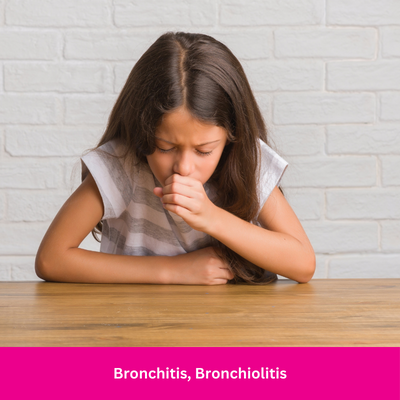
Bronchitis in Children:
- Definition: Bronchitis is the inflammation of the bronchial tubes, which are the air passages that carry air to the lungs. It can be acute or chronic.
- Causes: In children, acute bronchitis is often caused by viral infections, such as the common cold or flu. It can also be triggered by irritants like smoke or pollutants.
- Symptoms: Common symptoms include cough, wheezing, chest discomfort, and sometimes a low-grade fever. The cough may persist for several weeks.
- Treatment: Typically, acute bronchitis in children is managed with supportive care, including rest, hydration, and over-the-counter cough medications. Antibiotics are not effective for viral infections.
Bronchiolitis in Children:
- Definition: Bronchiolitis is an inflammation of the bronchioles, the smaller air passages in the lungs. It is most commonly caused by respiratory syncytial virus (RSV) in infants and young children.
- Causes: RSV is the primary cause, but other viruses can also lead to bronchiolitis. It is highly contagious and spreads through respiratory droplets.
- Symptoms: Early symptoms resemble those of a cold, but they can progress to more severe respiratory distress, rapid breathing, and wheezing. Infants may struggle to feed or show signs of dehydration.
- Treatment: Mild cases can be managed at home with supportive care, including hydration and the use of a humidifier. More severe cases, especially in infants, may require hospitalization for oxygen therapy.
For both conditions, it’s crucial to consult with a pediatrician for an accurate diagnosis and appropriate treatment tailored to the child’s specific symptoms and medical history.
If you suspect bronchitis or bronchiolitis in your child, seeking prompt medical attention is recommended. Reach out to Diya Children’s Clinic for a quick treatment.